The Value of a Play-Based Learning Approach in Early Childhood
- Michelle Prevatte
- 4 days ago
- 5 min read

When I think about the best ways young children learn, one thing stands out clearly: play. It’s not just fun and games. Play is a powerful tool that helps little ones explore, discover, and grow. A play-based learning approach is more than just letting kids have free time. It’s a carefully designed way to support their development through meaningful, joyful activities. If you’re curious about how this approach works and why it matters, let’s dive in together.
Why Choose a Play-Based Learning Approach?
You might wonder, why focus on play when there are so many other ways to teach? The answer is simple: play is how children make sense of the world. It’s their natural language. When kids play, they practice skills that will help them for life.
Here’s what makes a play-based learning approach so special:
Encourages creativity and imagination. Children invent stories, build worlds, and solve problems.
Builds social skills. Playing with others teaches sharing, cooperation, and empathy.
Supports physical development. Running, jumping, and manipulating objects strengthen muscles and coordination.
Enhances language and communication. Kids learn new words and ways to express themselves.
Fosters emotional growth. Play helps children understand feelings and develop self-regulation.
In a nurturing environment, play becomes a bridge between learning and joy. It’s not just about keeping kids busy; it’s about helping them thrive.

How Does a Play-Based Learning Approach Look in Practice?
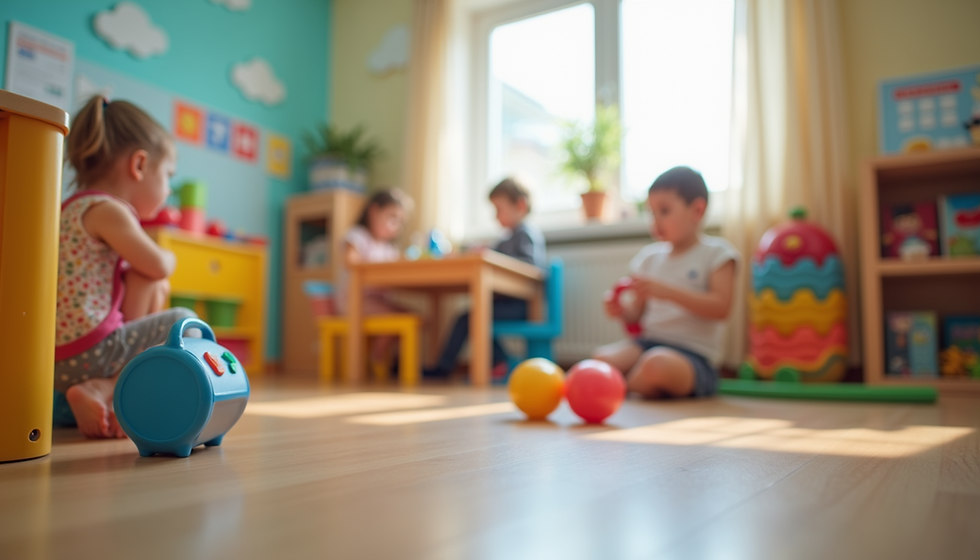
Imagine a classroom where children are free to explore different stations. One corner might have building blocks, another a pretend kitchen, and a cozy reading nook nearby. Teachers guide children gently, offering ideas and encouragement without taking over.
Here are some practical examples of play-based learning activities:
Building with blocks: Children develop spatial awareness, math skills, and fine motor control.
Role-playing: Pretending to be a doctor, chef, or teacher helps kids understand the world and practice language.
Art projects: Painting and crafting boost creativity and hand-eye coordination.
Outdoor play: Nature walks and playground time promote physical health and curiosity about the environment.
Music and movement: Singing and dancing support rhythm, memory, and social interaction.
The key is that children lead the play, and adults support their interests and questions. This approach respects each child’s pace and style of learning.
What is Froebel's Theory of Learning Through Play?
Friedrich Froebel, the founder of the kindergarten concept, believed that play is the highest expression of human development in childhood. According to Froebel, play is not just a pastime but a vital way children connect with their environment and express their inner thoughts.
Froebel’s theory emphasizes:
The importance of nature: Children learn best when they interact with natural materials like wood, water, and plants.
Structured play materials: Froebel introduced “gifts” and “occupations” – specific toys and activities designed to stimulate learning.
Learning through self-activity: Children discover concepts by doing, not just listening or watching.
The role of the teacher: Adults should observe and guide without interrupting the child’s creative process.
This theory laid the groundwork for modern play-based learning approaches. It reminds us that play is a serious and essential part of education.

How a Learning Through Play Curriculum Supports Development
A learning through play curriculum is designed to integrate play into every part of the day. It’s not about random playtime but intentional experiences that promote growth in all areas.
Here’s how such a curriculum benefits children:
Cognitive development: Problem-solving, memory, and critical thinking improve as children explore and experiment.
Language skills: Conversations during play build vocabulary and communication.
Social-emotional growth: Children learn to manage emotions, cooperate, and build friendships.
Physical skills: Fine and gross motor skills develop through hands-on activities.
Moral understanding: Play scenarios help children grasp concepts of fairness, kindness, and responsibility.
For example, a simple game of “store” can teach math (counting money), language (dialogue), and social skills (taking turns). This holistic approach ensures children are ready for school and life beyond.
Creating a Supportive Environment for Play-Based Learning
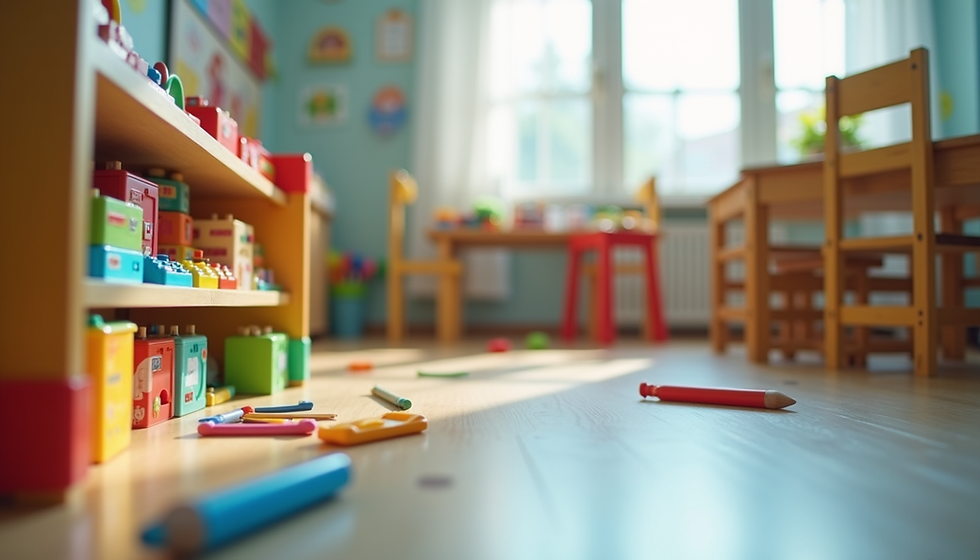
To make the most of a play-based learning approach, the environment matters a lot. It should be safe, welcoming, and rich with materials that invite exploration.
Here are some tips for creating such a space:
Organize materials by theme or type: This helps children find what they need and encourages independent play.
Include natural elements: Plants, rocks, and water tables connect kids to nature.
Provide open-ended toys: Blocks, art supplies, and dress-up clothes allow for creativity.
Design cozy corners: Spaces for quiet time or reading help children recharge.
Encourage outdoor play: Fresh air and movement are vital for health and learning.
Adults play a crucial role too. By observing and listening, they can join in at the right moments to extend learning without taking control.
Why Faith-Based Play Matters in Early Childhood
In a faith-based setting, play-based learning takes on an added layer of meaning. It becomes a way to nurture not only the mind and body but also the spirit.
Here’s how faith and play come together beautifully:
Teaching values through stories and play: Biblical stories can inspire role-play and discussions about kindness, honesty, and love.
Creating a caring community: Play encourages children to support and respect one another, reflecting Christian principles.
Encouraging gratitude and wonder: Nature play and creative activities can foster awe for God’s creation.
Building a foundation of trust: A warm, faith-filled environment helps children feel safe and valued.
This holistic approach supports the whole child, preparing them for a life of learning and faith.
Embracing Play-Based Learning in Your Child’s Day
If you’re looking for a childcare program that values play as a key part of learning, you’re on the right track. A play-based learning approach offers children a joyful, meaningful start to their education.
Here are some ways to support this at home or when choosing a program:
Ask about play opportunities: Does the program have plenty of time and space for play?
Look for trained teachers: Educators who understand the value of play can guide your child’s growth.
Encourage play at home: Provide toys and materials that inspire creativity and exploration.
Join in the fun: Playing with your child strengthens your bond and models learning.
Trust the process: Remember, play is serious work for little learners.
By embracing play, you’re giving your child a gift that lasts a lifetime.
I hope this glimpse into the world of play-based learning has sparked your curiosity and confidence. After all, when children play, they are not just having fun - they are building the foundation for a bright, capable future.


Comments